To support our mission, we conduct research on the impact of casualty recording, its basis in international law, and how to improve practices.
We believe that recording every individual life lost is more than just a moral imperative. It’s a legal obligation and a vital tool for peace. Our research provides the evidence:
- Our report on casualty recording in international law lays out states’ legal obligations to ensure that every casualty of armed violence is identified and recorded.
- We worked closely with OHCHR to produce the UN’s report illustrating the impact and benefits of casualty recording worldwide.
- We conducted extensive research into dozens of casualty recording initiatives to illustrate best practice and highlight the many potential uses of casualty records.
- We are continually mapping casualty recording initiatives around the world, both current and historic, to help people understand the successes and gaps in casualty recording globally. Our database highlights successes and explains the limitations of casualty recording in specific contexts.
Casualty records also provide vital evidence for wider global initiatives. Our Network members’ records have shown that:
- When explosive weapons are used in populated areas, 90% of fatalities are civilians. This evidence was crucial for building international political will to adopt the global declaration on explosive weapons.
- Despite the success of the campaign to ban anti-personnel landmines, they remain a major risk to civilians, particularly children, in post-conflict societies from Colombia to Syria and beyond.
- Healthcare workers are routinely targeted in conflicts and insecure environments across the world. Urgent action is required to reinforce their protection under international law.
our work and research
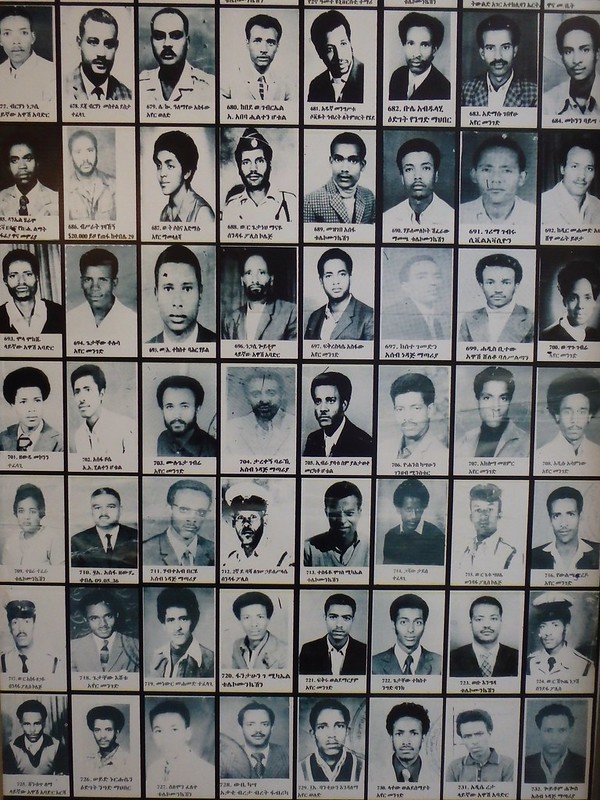
Image: Red Terror Martyrs Memorial Museum by Insights Unspoken licensed under CC BY-SA 2.0.