
Armed violence in Nigeria spans over six decades, evolving from post-independence ethnic tensions and civil war to contemporary religious extremism, separatist movements, and resource-based conflicts. Total casualties number in the tens of thousands.
Nigeria gained independence from British colonial rule in 1960 and became a republic in 1963. Between 1966 and 1999, Nigeria was ruled by a cycle of civilian governments and military regimes established by coup.
Between 1967 – 1970, the Biafra War caused hundreds of thousands of deaths, with some estimates reaching 2 million. The majority died from starvation due to the impact of the conflict on food supplies.
There was a peak in violence in the Niger Delta and Kaduna State in the 1990s. Inter-ethnic and inter-religious violence was further exacerbated by armed disputes over oil supplies and environmental justice. In response to the ongoing disputes over resources, in November 1999 the Nigerian military attacked the town of Odi, resulting in hundreds of civilian deaths.
In the late 1990s and early 2000s, inter-ethnic and inter-religious tensions increased, as well as fatalities from conflicts between Hausa-Igbo, Yoruba, Ife-Modakeke, and Jukun-Tiv clans.
At the same time, Islamic fundamentalism began to grow in northern Nigeria, with attempts to impose Sharia law. This led to widespread unrest, rioting, and arson attacks on churches and mosques. In 2002, Jama’atu Ahlis Sunna Lidda’awati wal-Jihad (JAS) / Boko Haram was formed in Borno state, with the aim of establishing fundamentalist Islamic rule. It conducted armed attacks and gained territorial control in various Northern States.
Violence rose steadily throughout the 2000s and escalated dramatically between 2013 – 2015. In 2014, JAS killed over 5,000 civilians through targeted killings, suicide bombings, and attacks on churches, markets, and public places. The group was responsible for abducting 246 schoolgirls from Chibok, Borno State.
Since 2021, the Nigerian government has also been fighting an armed insurgency by the Biafran separatist movement, the Indigenous People of Biafra. Armed conflict continues between Nigerian government forces and Islamist groups, including groups linked to so-called Islamic State. Violence between ethnic groups, and particularly farmer-herder conflicts, also continues.
Combined annual casualties from armed violence in Nigeria typically numbers in the thousands.
What we’re doing
Every Casualty Counts works with members of the Casualty Recorders Network to support efforts to document every person killed in the ongoing armed violence in Nigeria. Working together we aim to ensure every victim is documented, and that their collective stories can lead to reform.
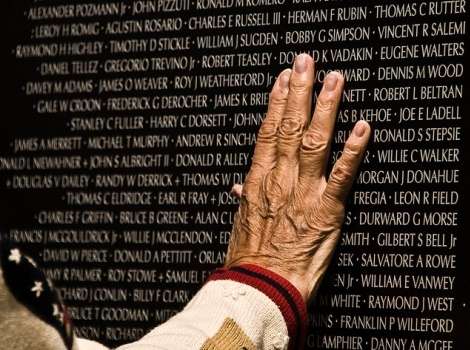
To forget would be not only dangerous but offensive; to forget the dead would be akin to killing them a second time.
Elie Wiesel, Holocaust Survivor and Nobel Peace Prize winner
Counting the Cost: Casualty recording by states
5 October 2012



Image: Break Time, by The Advocacy Project, licensed under CC BY-NC-SA 2.0