Mali was colonised by France in the 19th century, and regained independence in 1960. It was ruled as a one-party state until 1991 when government was overthrown. A new constitution was approved, and in 1992 Mali held its first democratic elections.
In the early and mid-1990s, several Tuareg groups in northern Mali entered into armed conflict with national government forces, seeking either autonomy or an independent state for the region. This led to large-scale attacks on civilians by all sides.
Violence intensified in 2012, with a dramatic increase in fatalities. Islamist groups including Al-Qaeda in the Islamic Maghreb joined the conflict, fighting both with and against Tuareg separatists as well as government forces. Armed violence spread to central and southern Mali, as inter-communal conflict increased over access to land, exacerbated by the impact of climate change. Civilian-led self-defense militias formed on various sides, and were also responsible for attacks on civilians.
In 2022, a coup returned Mali to military rule and the new government sought assistance from the Russian mercenary group, Wagner, to help fight the internal rebellions. This resulted in a peak of violence, with more than 1,450 recorded civilian deaths in the year. In the following years civilian deaths numbered in the hundreds, with Malian government and Wagner forces the primary perpetrators of both multiple small-scale killings of one or two individuals and a number of large massacres, notably the killing of at least 40 civilians in northern Mali’s Abeibara cercle in late June, and the execution of 25 villagers in Nara cercle in January.
As of 2025, the security crisis in Mali continues and is spilling into neighbouring countries including Burkina Faso and Niger.
What we’re doing
Every Casualty Counts works with members of the Casualty Recorders Network to support efforts to document every person killed in the ongoing armed violence in Mali. Working together we aim to ensure every victim is documented, and that their collective stories can lead to reform.
Faced with the erasure or ‘invisibilisation’ of the suffering of civilian populations, we believe it is vital to document these violations and record every victim, not only to ensure these facts are remembered, but also to create the necessary conditions for effective and lasting justice.
TRIJEUD-Mali, CRN Member Organisation

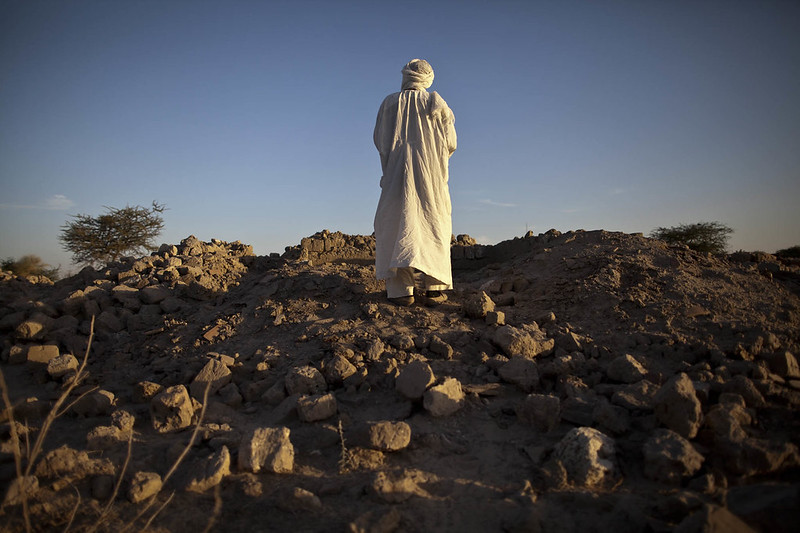
Image: Culture in Timbuktu by MINUSMA/Marco Dormino licensed under CC BY-NC-SA 2.0