Over 1 million
Conflict-related deaths, 1935-2023
Ethiopia has endured hundreds of thousands of deaths from armed conflict and conflict-related famine throughout the 20th and 21st centuries. Internal ethnic tensions, border disputes, colonisation, battles for independence, military dictatorship and political purges have had repeatedly devastating consequences.
Ethiopia was colonised by Italy from 1935 – 1941, with an estimated death toll of over 275,000 Ethiopians resulting from aerial bombardment, chemical weapons and widespread killings of civilians.
In 1961 Eritrea began a war of independence from Ethiopia (with which it had been federated) which lasted thirty years until independence was achieved in 1991. Between 100,000 to 200,000 people are believed to have been killed in this conflict.
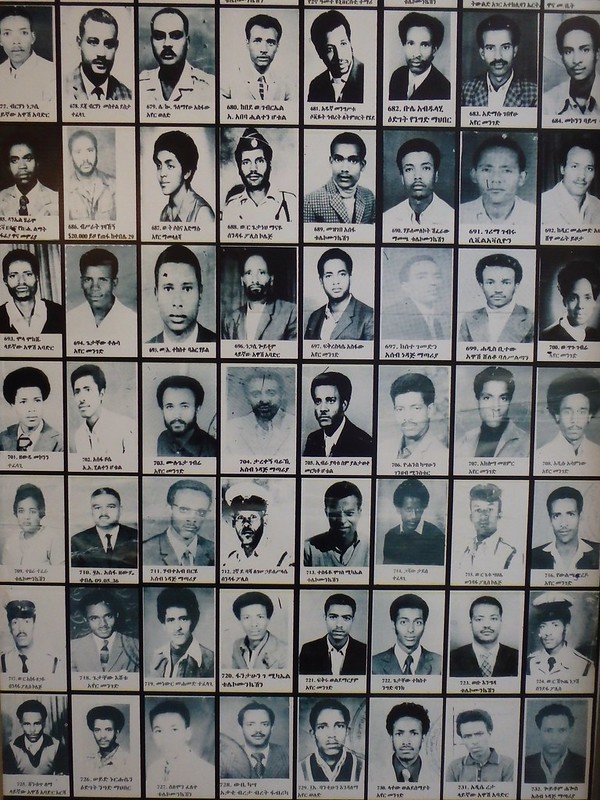
In 1974, the Ethiopian Emperor Haile Selassie was overthrown in a military coup, which established a Marxist government called the Derg. Hundreds of thousands of people are believed to have been killed between 1974 and 1991, either through famine in 1973/74, targeted by the Derg regime ‘Red Terror’ during the late 1970s, killed in the civil war between the regime and armed opposition groups, or as victims of the conflict in the Ogaden region following Somalia’s invasion in 1977. In 1984, famine caused by drought, civil war and other political influences caused the death of between 400,000 to one million Ethiopians.
Border disputes between Ethiopia and Eritrea led to full scale war in 1998 – 2000, leading to an estimated 70,000 deaths. Hundreds of thousands of people were displaced.
Throughout the first part of the 21st century, violent tensions grew internally among different ethnic groups seeking autonomy. In November 2020, armed conflict erupted between the government and the previously dominant Tigray People’s Liberation Front (TPLF). The war involved Ethiopian federal forces, Eritrean troops, and Amhara regional forces against Tigrayan forces, leading to widespread humanitarian crisis, allegations of war crimes, and ethnic violence. Estimates of direct and indirect deaths from the Tigray conflict, including those caused by conflict-induced famine, range from 300,000 to 600,000 lives lost.
Following the November 2022 peace agreement between the government and TPLF, violence massively reduced but armed violence has continued in various regions across Ethiopia, particularly in Tigray, Oromia, Benishangul-Gumuz, and Amhara regions. Approximately 2,000 people are believed to have been killed in 2023. Most were killed in conflict between the goverment, the Oromo Liberation Army, and the Amhara Fano armed group. Active conflict was also ongoing between the Anuak and Nuer groups. Despite the dramatic reduction in fatalities compared to previous years, Ethiopia continues to experience its highest level of violence since the 1998 – 2000 war with Eritrea.
What we’re doing
ECC is running an intense capacity-building programme for Casualty Recorders Network members working on conflicts in the East Africa region, including Ethiopia. The project focuses on developing their capacity in key areas relating to casualty recording, such as methodology, information management, data and staff security, and advocacy. Online and in-person exchanges, workshops and training, as well as peer-to-peer support, are key elements of this project, in collaboration with other CRN members. This project is partially funded by the National Endowment for Democracy.
In the context of armed conflict, the severity and scale of violence can be overwhelming for affected communities. Documenting casualties ensures that events are not only recorded but that victims are humanised, ensuring that that their stories are remembered and that the tragedies they endure are not forgotten.
Amhara Association of America


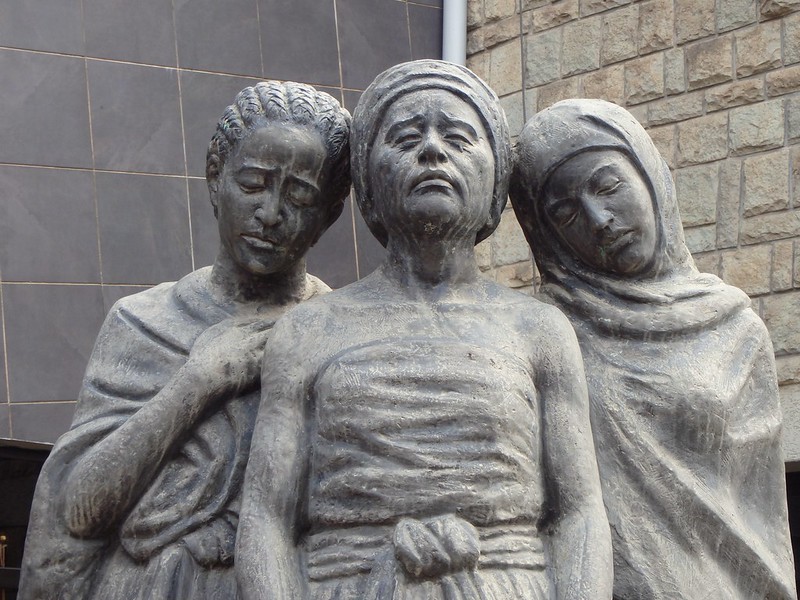
Image: Red Terror Martyrs Memorial Museum by Insights Unspoken licensed under CC BY-SA 2.0.