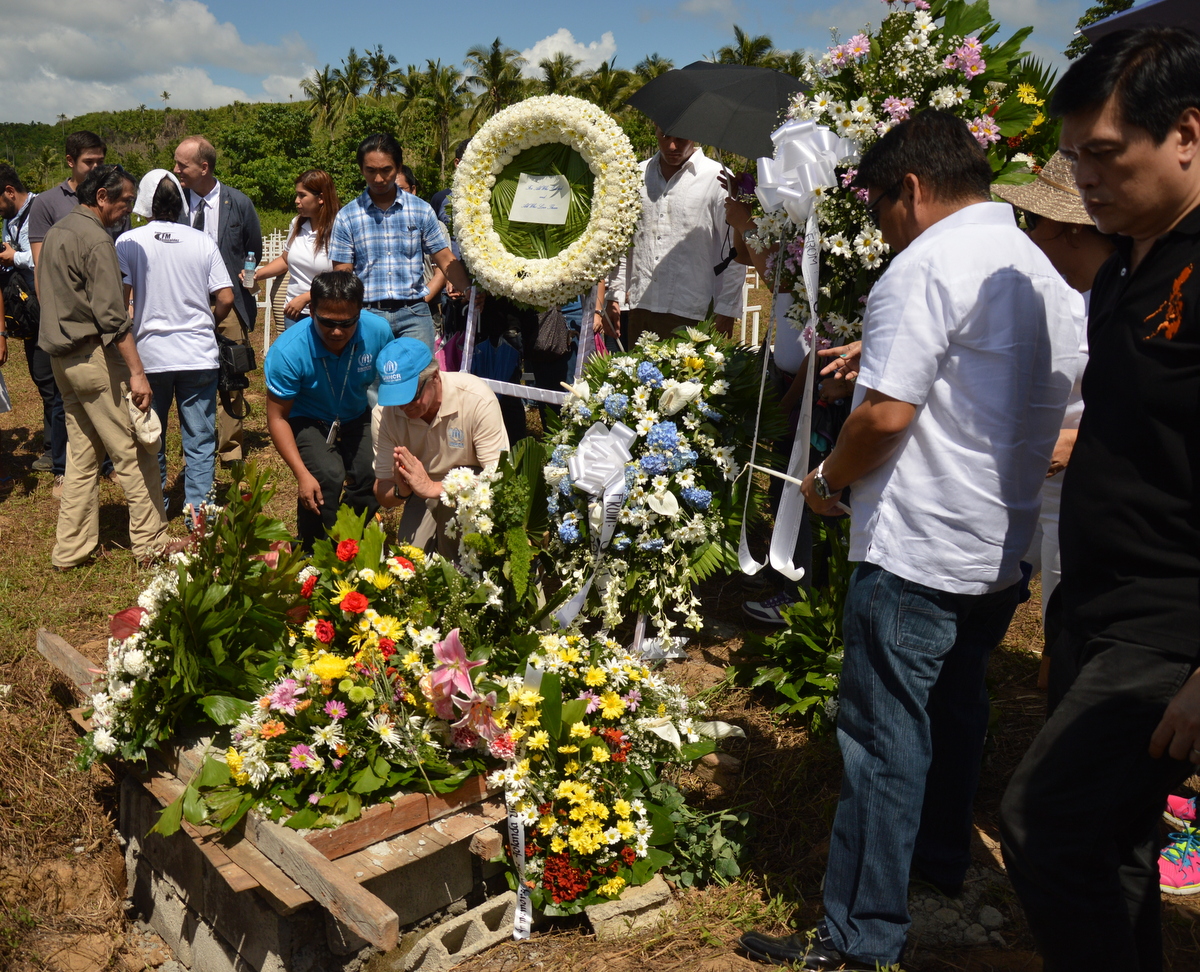
The Philippines was under Ferdinand Marcos’s dictatorial rule from 1972 until 1986. During this time, there were widespread human rights violations, including thousands of unlawful killings. Armed conflict between government forces and various insurgent groups claimed thousands of lives.
Since the end of the Marcos regime, successive governments have faced ongoing struggles with various armed groups. These include long-running communist insurgencies and Muslim separatist movements in Mindanao, believed to have resulted in up to 250,000 deaths by the end of the 20th century. From the 1990s onwards, Islamist groups with links to Al-Qaeda and so-called Islamic State have been responsible for hundreds of deaths across the Philippines, including an estimated 1,000 people killed during the five month siege of Marawi City in 2017.
In 2016, the Duterte government began a violent anti-drug crackdown marked by widespread extrajudicial killings. By November 2017, 20,322 peopled had been killed by police or ‘unidentified persons’. As of 2025 up to 30,000 people are believed to have been killed in the ‘war on drugs’ by police, vigilantes, and hired killers. Since Duterte left power in 2022 the rate of killing has decreased but still continues.
The Philippines were colonised by Spain in the 16th century. The 1899 – 1902 Philippine-American war is believed to have caused up to 250,000 direct civilian deaths, with thousands more dying from disease and famine. In 1941, the Philippines were invaded and occupied by Japan for three years. Filipino and American forces resisted the Japanese occupation, resulting in an estimated 500,000 – 1,000,000 Filipino deaths. The Philippines gained independence in 1946.
What we’re doing
Every Casualty Counts works with organisations documenting unlawful killings in the Philippines to support their efforts to document casualties of armed violence, and to bring their research to the attention of international policy makers, news media and UN experts.
If no one presents information backed by a certain degree of certainty to verify the numbers, then in the minds of the people, should Duterte be convicted? If casualties are not recorded it leads to questions like, how bad were the killings? Casualty recording might not impact Duterte’s legal fortunes, but it will cement how he is viewed by history.
Joel F. Ariate, Third World Studies Center
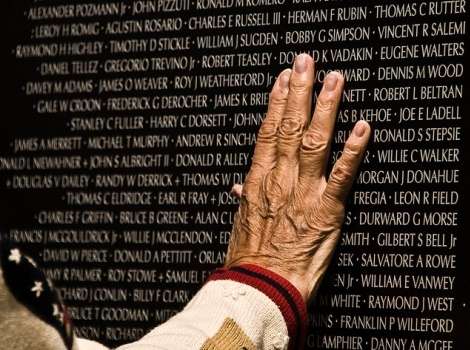
Counting the Cost: Casualty recording by states
5 October 2012


Image: 4 by EU Civil Protection and Humanitarian Aid licensed under CC BY-NC-ND 2.0