This week, Every Casualty Counts made a submission to the UN High Commissioner for Human Rights’ call for inputs on the rights of women and children in conflict and post-conflict situations.
Our central argument: casualty recording is not peripheral to the protection of these rights. It is foundational to them.
A widow seeking a war pension – potentially her only source of income – must have evidence that her husband died in war. In conflict contexts where civil registry systems have been destroyed, and where bodily remains may never be recovered, an independent casualty record may be the only evidence available to her.
A child orphaned by violence, with no record of their parents’ fate, faces not only the trauma of ambiguous loss, but heightened vulnerability to institutionalisation and trafficking. Where casualty records exist, these can facilitate family reunification – even decades after the event.
Women lead many of the crucial accountability initiatives – compiling lists of the missing, exhuming mass graves by hand, testifying before international courts. Their work is built from the ground up one family at a time, and achieves more than many state-led or internationally mandated mechanisms.
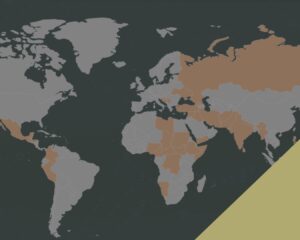
Our submission draws on evidence from Casualty Recorders Network (CRN) members working in Kosovo, Syria, Gaza, Sudan, South Sudan, Guatemala, Somalia, Yemen, Colombia and Mexico. It calls on States to support and resource independent casualty recording, ensure sex- and age-disaggregated data collection, and make that data available to the accountability bodies that need it.
Casualty records are not a sentimental byproduct of armed conflict. They are a precondition for recognition, justice, and the restoration of rights.
Read our full submission HERE