We help local, national and international casualty recording organisations get the training and support they need.
We work with a wide variety of people and organisations who are documenting the individual lives lost in armed violence. We give them practical support and advice built on the decades of shared experience within the global Casualty Recorders Network.
Together, we ensure every body is named.
With members of the Casualty Recorders Network, we bring closure to families who have lost all trace of a loved one. We bring evidence to war crimes tribunals. We help communities divided by conflict to recognise the suffering on all sides, building a shared understanding of the past to create a more peaceful future. We show policymakers the full cost of military action on human lives.
The impact of war is too often reduced to statistics, which obscure the human identity and value of each victim. Governments and media argue over the accuracy of a particular number, instead of recognising that even a single life lost is one too many. By reducing the debate to one focused on figures, it is easy to forget that the conversation is about people – ordinary men, women and children.
We are trying to change this. We believe in upholding the dignity of every person killed in war, and we want to ensure others do too.
- We undertake research which demonstrates the value of casualty recording and its many impacts and uses.
- We advocate to policymakers to comply with international law on recording casualties of conflict.
- We provide training, advice and support to people and organisations documenting casualties, wherever they occur.
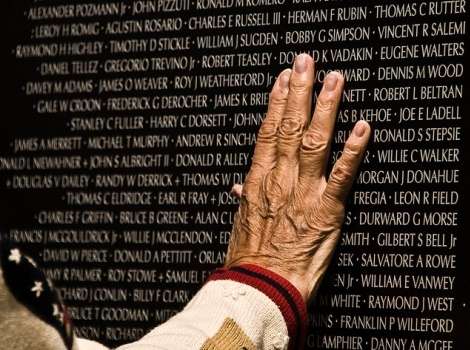
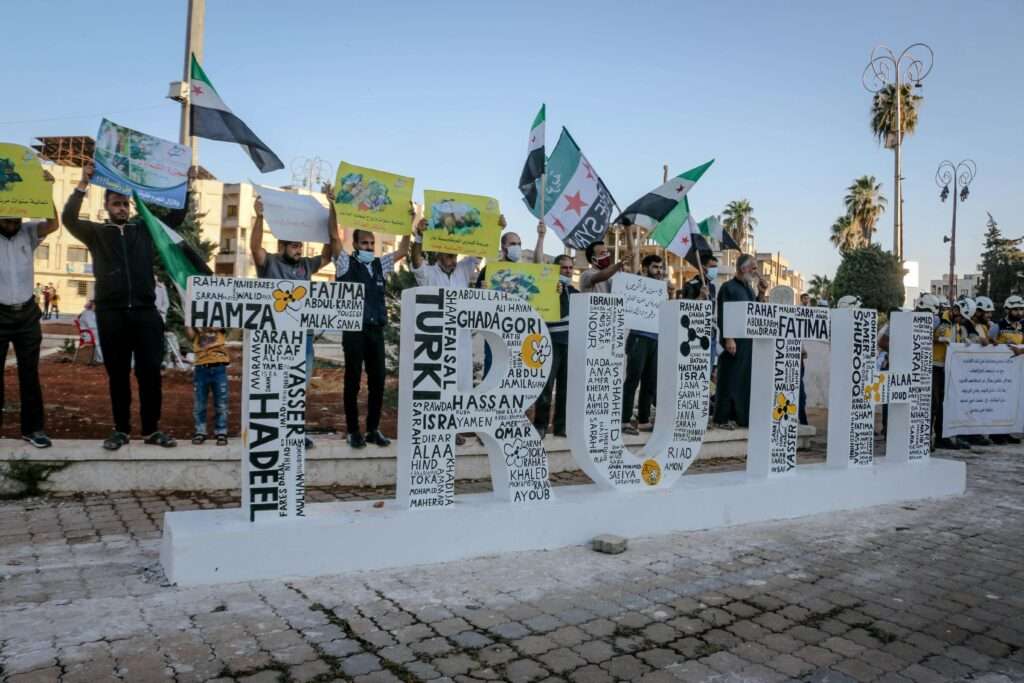
- We campaign for victims of war to be remembered with names, not numbers.
Why it matters
Casualty records are vital.
They enable families to discover the fate of their loved ones, and to have their loss recognised. They provide evidence for war crimes tribunals. They identify the causes of unintended harm to civilians, so armed forces can adapt and improve their responses. They help aid workers know what help is needed, where. They identify patterns of violence which can predict a crisis.
Casualty records tell societies the truth about their history, so they can build a better future.
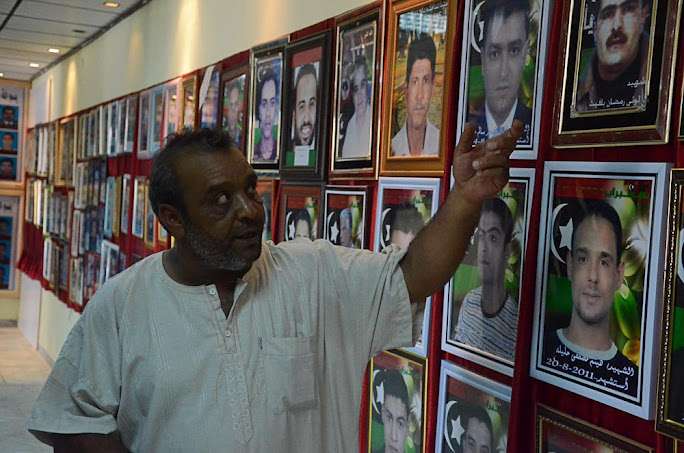
Casualty records tell us who died, and how. They reveal the full human cost of war. They turn statistics into people.
In the end, numbers don’t count – but people do.
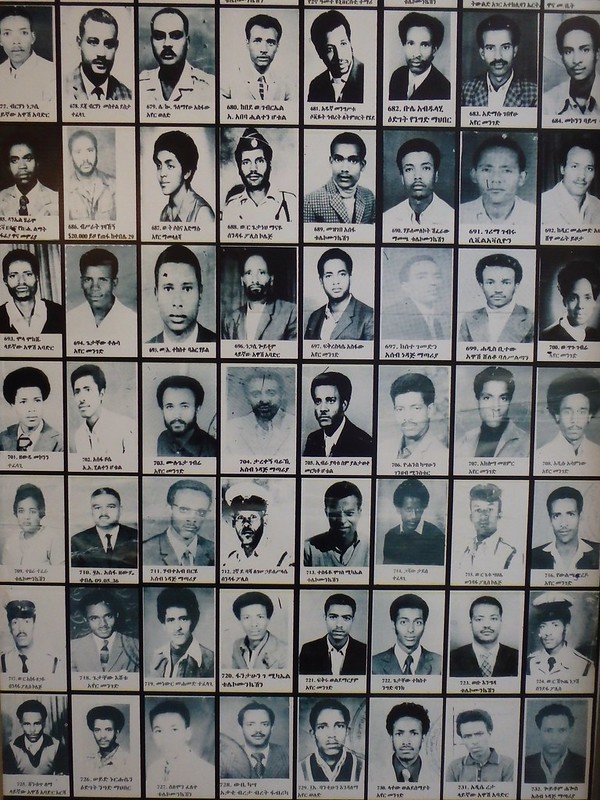
Image: Red Terror Martyrs Memorial Museum by Insights Unspoken licensed under CC BY-SA 2.0.